The conversation around healthcare, weight management, and metabolic health has undergone a seismic shift in recent years, driven by a single acronym: GLP-1. Originally developed for the management of Type 2 diabetes, Glucagon-Like Peptide-1 receptor agonists have rapidly taken center stage globally as a revolutionary treatment for obesity and weight loss.
However, as the initial wave of excitement settles, a much deeper and more permanent transformation is emerging. GLP-1 therapies are doing far more than creating a new class of blockbuster drugs; they are fundamentally rewriting the consumer-health journey.
For healthcare platforms, practitioners, and health-tech companies in India—including stakeholders across the Global Med ecosystem—the most crucial realization is this: GLP-1 is not a standalone event. It is a continuum. To truly harness its potential and support patients effectively, we must look beyond the moment a prescription is written. We need to understand the evolving needs of the consumer across three distinct phases: before, during, and after treatment.
Phase 1: Before Treatment – The Search for Answers
The patient journey does not begin in the doctor’s office. Long before a physician writes a prescription for a GLP-1 medication, the consumer has likely been on a grueling, years-long journey to manage their metabolic health.
In India, where metabolic syndrome and Type 2 diabetes are highly prevalent, this pre-treatment phase is often marked by a cycle of trial and error. Consumers are actively searching for solutions. They have likely experimented with restrictive diets, intense fitness programs, herbal supplements, and alternative therapies. They have dealt with the frustration of conventional methods failing to yield long-term results due to deep-seated metabolic resistances.
During this phase, consumers exist in an ecosystem of self-care and preliminary diagnostics. They are seeking knowledge and understanding of their own bodies. For the healthcare industry, the opportunity here lies not just in identifying who is eligible for GLP-1 treatment, but in asking: What was this patient trying to achieve before they reached this point?
By understanding the pre-treatment struggles, healthcare providers can offer better metabolic health assessments, advanced diagnostics, and empathetic medical consultations. Engaging patients early in this phase helps build a foundation of trust. It transitions them from a fragmented approach of “trying everything” to a clinical, evidence-based pathway.
Phase 2: During Treatment – The Nutritional Paradigm Shift
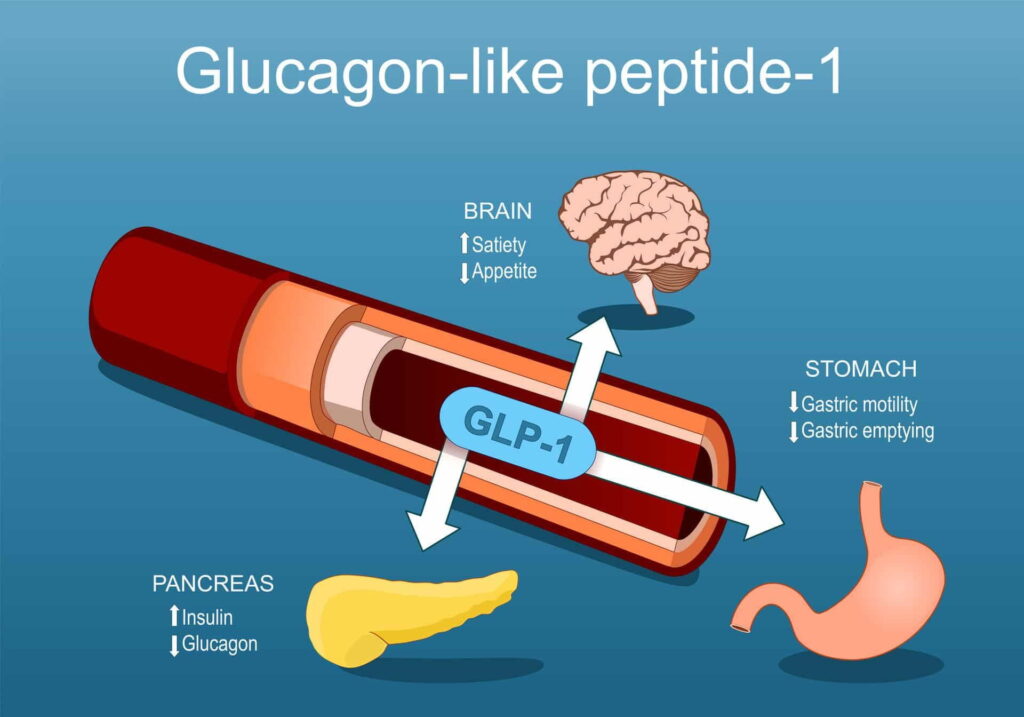
Once a patient begins GLP-1 therapy, their physiological relationship with food undergoes a radical change. The medication works, in part, by delaying gastric emptying and signaling to the brain that the stomach is full. The immediate result? A drastically reduced appetite and significantly smaller portion sizes.
While the resulting weight loss is often celebrated, it brings an urgent, hidden challenge: nutritional adequacy. If a patient is eating half the volume of food they used to, every single bite needs to be twice as nutrient-dense.
This is where the industry must step up. Simply slapping a “GLP-1 Friendly” label on a protein bar is not enough. The nutritional needs of a 35-year-old corporate executive aiming for weight loss are vastly different from a 60-year-old managing diabetes who desperately needs to preserve bone density and muscle mass.
Furthermore, patients on GLP-1 often experience gastrointestinal discomfort, such as nausea or changes in digestion. The focus during this phase must pivot sharply toward:
- Protein Adequacy: Preventing sarcopenia (muscle loss), which often accompanies rapid fat loss.
- Micronutrient Density: Ensuring patients get enough vitamins and minerals despite eating less.
- Digestive Support: Offering easily digestible, high-fiber, and hydrating solutions to counteract side effects.
For healthcare companies, this phase requires a highly personalized approach. It is about providing the precise nutritional and medical support that makes the treatment journey healthier, easier to tolerate, and more sustainable.
Phase 3: After Weight Loss – The Uncharted Territory of Maintenance
Perhaps the most critical, yet least understood, phase of the GLP-1 journey is what happens after the initial weight loss goals are met. The medical treatment may be reduced, paused, or discontinued, but the patient’s health journey does not end. In fact, the hardest part is often just beginning.
When GLP-1 therapies are stopped or tapered down, the suppressed appetite can return with a vengeance. The biological drive to regain lost weight—an evolutionary survival mechanism—kicks in. Suddenly, the challenge is no longer about losing weight; it is about weight-loss maintenance.
This phase requires a completely different ecosystem of support. The consumer needs to pivot from a mindset of “treatment” to one of “lifestyle preservation.” Key focus areas include:
- Muscle Preservation and Physical Activity: Shifting from mere calorie burning to strength training and muscle building to elevate the basal metabolic rate.
- Behavioral and Psychological Support: Addressing the emotional triggers of eating that medication masked but did not cure.
- Long-Term Metabolic Monitoring: Using continuous glucose monitors (CGMs) and regular diagnostic panels to ensure metabolic markers remain healthy.
If the healthcare industry fails to support consumers in this third phase, we risk seeing a massive wave of rebound weight gain, leading to patient disillusionment. Building a robust “post-GLP-1” support system is arguably the biggest white space in the market today.
The India Context: Why We Can’t Import the Western Playbook
As GLP-1 treatments become more accessible globally, it is tempting to simply import Western clinical and commercial models into India. This would be a mistake. India’s healthcare landscape, dietary habits, and genetic predispositions require a deeply localized approach.
- Dietary Nuances: The Indian diet is traditionally carbohydrate-heavy and lower in bioavailable protein compared to Western diets. A large percentage of the population is vegetarian. Recommending Western-style high-protein diets (often heavily reliant on meat) is impractical. We need indigenous nutritional innovation—affordable, high-quality vegetarian protein formats, smaller nutrient-dense servings of familiar local foods, and culturally appropriate dietetic counseling.
- The Sarcopenic Obesity Phenotype: Indians are genetically prone to “thin-fat” or sarcopenic obesity—where individuals have lower muscle mass and higher body fat percentages, even at normal BMIs. Rapid weight loss from GLP-1 without adequate muscle support could exacerbate this, making localized protein supplementation even more critical.
- Affordability and Access: Healthcare in India is largely an out-of-pocket expense. Sustained GLP-1 therapy, alongside premium nutritional supplements, can be financially draining for the average consumer. The Indian market demands cost-effective solutions, tiered support systems, and digital health interventions delivered in vernacular languages to democratize access.
The Ecosystem Approach: Collaboration is the Cure
No single entity can own this new, complex consumer-health journey. It is far too vast.
- Pharmaceutical companies bring the clinical evidence and disease management expertise.
- Nutrition and FMCG brands bring formulation capabilities and everyday accessibility.
- Digital Health platforms (like those integrated within Global Med) provide the infrastructure for real-time monitoring, telehealth, and personalized nudges.
- Doctors, Dietitians, and Therapists provide the irreplaceable element of human judgment and empathy.
The future of GLP-1 healthcare lies in ecosystem integration. Imagine a scenario where a patient’s GLP-1 prescription automatically unlocks a customized nutritional counseling program, syncs with a digital app tracking their metabolic health, and schedules automated check-ins for behavioral therapy as they taper off the medication.
Partnerships—not isolated product launches—will define the winners in this space. A diagnostic lab partnering with a digital health app, or a pharmaceutical company collaborating with a specialized clinical nutrition brand, will create infinitely more value for the patient than any company working in a silo.
A Call for Medical Responsibility
As with any major shift in healthcare, the commercial excitement surrounding GLP-1 is immense. However, we must draw a firm boundary: These are prescription therapies meant for medical conditions, not casual lifestyle trends or quick fixes for the summer.
Every company operating within this new ecosystem bears a profound medical responsibility. Claims must be rigorously backed by evidence. Marketing communications must be restrained and ethical. Above all, consumer support products—whether they are digital apps or protein powders—must complement professional medical care, not attempt to replace it.
Trust will become the ultimate currency in this expanding market.
The Road Ahead
GLP-1 therapies began by changing how we treat diabetes and obesity. Their lasting legacy, however, will be how they fundamentally re-engineered the way consumers approach nutrition, muscle health, and long-term self-care.
For platforms like Global Med and the wider Indian healthcare industry, the mandate is clear. The question we should be asking is not, “What can we sell to a patient on GLP-1?”
The far more important question is, “How can we support this person before they start treatment, sustain them safely while they are on it, and empower them long after the weight has come off?”
When we solve for that continuum, we don’t just build a new market. We build a healthier future.