For decades, the restaurant industry operated on a simple principle: bigger is better. Bountiful plates, bottomless carb baskets, and oversized desserts were the hallmarks of a great dining experience. But today, a pharmaceutical breakthrough is quietly rewriting the rules of hospitality.
With the skyrocketing popularity of GLP-1 receptor agonists—medications like Ozempic, Wegovy, and Mounjaro initially prescribed for diabetes but now widely used for weight loss—consumer appetites are fundamentally changing. These medications work by slowing down gastric emptying and sending signals of fullness to the brain. The result? People simply cannot eat as much as they used to, and they are losing their cravings for heavy, fried, or sugar-laden foods.
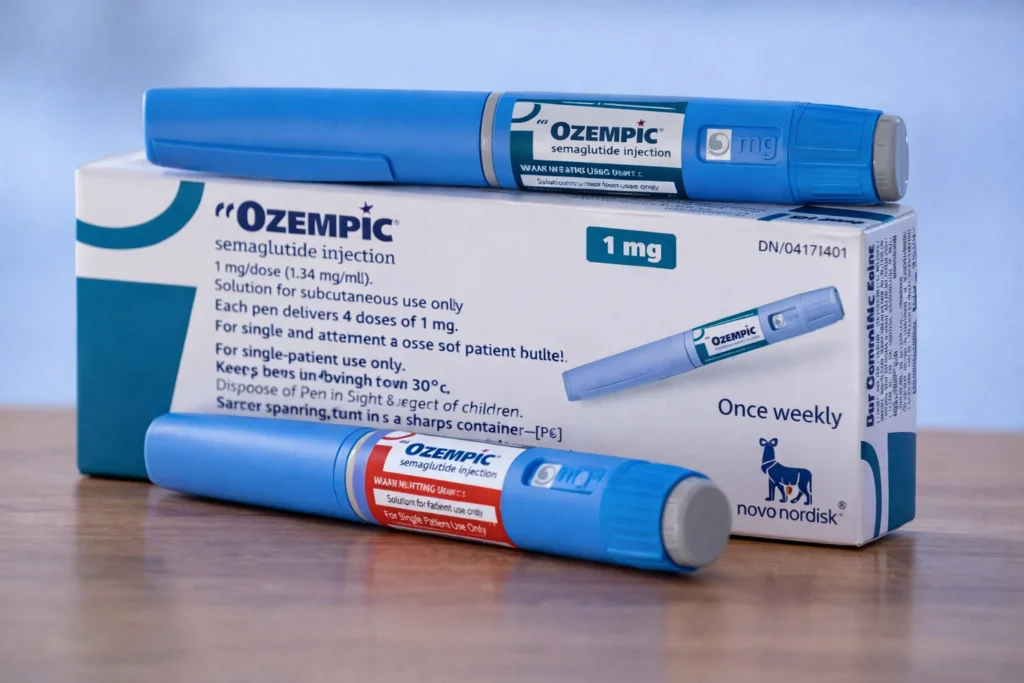
Here is how restaurants, from quick-service chains to fine-dining establishments, are adapting to this new era of the smaller appetite.
The Rise of “Size O” Menus
In urban hubs across India and the globe, restaurants are fast-tracking what industry insiders are calling “Size O” menus.
Recognizing that a traditional multi-course tasting menu or a heavy biryani is physically uncomfortable for a diner on a GLP-1 medication, chefs are redesigning their offerings. We are seeing a generational shift away from “overdosing” on carbs toward highly intentional, smaller plates. For example, where a standard appetizer might have featured six dim sums, restaurants are now offering scaled-down plates of three. Fast-food chains are swapping out massive six-piece fried chicken strips for three-piece grilled options, and sandwich shops are heavily promoting “mini” or snack-sized wraps.
A Pivot to Protein and Quality
The shift isn’t just about eating less; it is about eating differently. Medical professionals advise patients on weight-loss drugs to prioritize protein to prevent muscle loss.
Restaurants are actively responding by:
- Elevating Protein-Forward Dishes: Menus are highlighting lean meats, seafood, and high-quality plant-based proteins over rice and pasta bases.
- Reducing Carbohydrates: Traditional sides like fries, breads, and heavy potato dishes are being replaced with nutrient-dense vegetables and fruit options.
- Nutritional Transparency: Diners optimizing for metabolic health want to know exactly what they are consuming. Clear labeling of calories, macros, and fiber is becoming a major marketing differentiator.
Is This Bad News for the Restaurant Business?
Initially, there was panic that the “Ozempic Effect” would destroy restaurant margins. However, early data shows that GLP-1 users aren’t actually dining out less—they are just ordering differently.
Instead of optimizing for maximum food volume, these diners are optimizing for quality. Restaurants are finding that they can maintain their profit margins by preimmunizing their ingredients. A smaller portion of sustainably sourced, high-quality salmon with organic asparagus can command a similar price point to a massive, carb-heavy pasta dish.
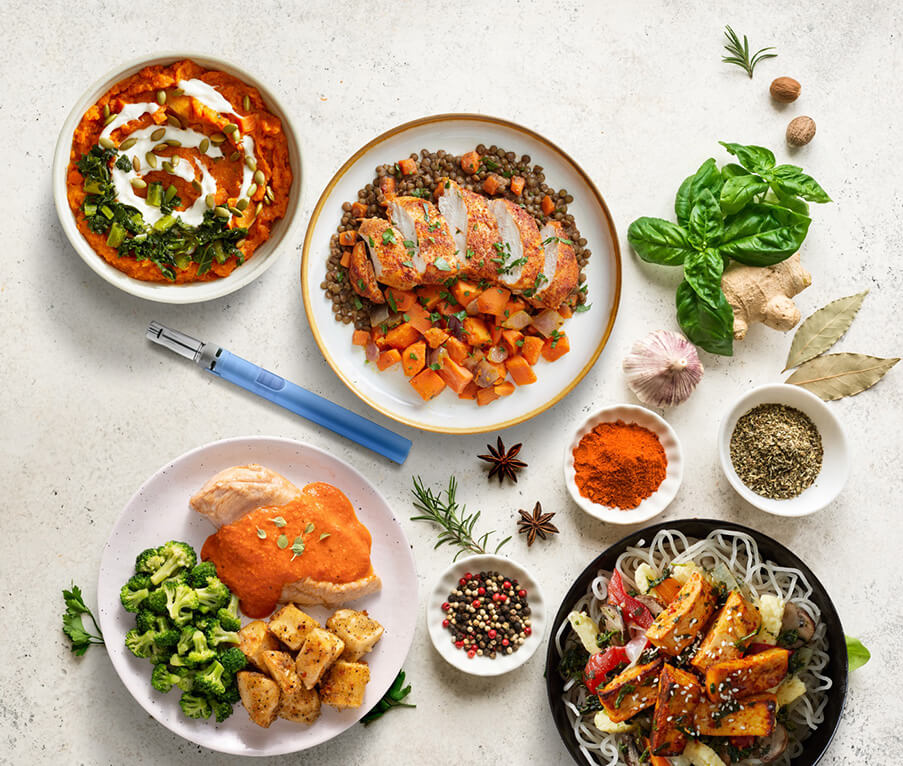
Furthermore, by offering “tapas-style” sharing plates, restaurants ensure that groups with mixed appetites can still enjoy the social aspect of dining out without anyone feeling overwhelmed by their plate.
A Structural Shift, Not a Trend
As the patents on early GLP-1 medications expire and generic, more affordable versions enter the market, this trend is only going to expand. What started as a medical intervention for metabolic health is fostering a broader cultural shift toward mindful eating.
The restaurants that will thrive in “Table 2.0” are the ones that stop viewing smaller appetites as a threat. By embracing flexibility, prioritizing high-quality protein, and removing the pressure of the oversized plate, the hospitality industry can successfully cater to the health-conscious consumer of the future.